

Antique Wall Clock
-
Savoyard Cuckoo Clock
A Relic from the Black Forest Some rooms ask for more than just any timepiece. They call for something with a story, a presence, a quiet weight that makes the space feel anchored. The Savoyard Cuckoo Clock answers that call. It brings a piece...- $89.90
$89.90- $89.90
- Unit price
- per
Save $0.00


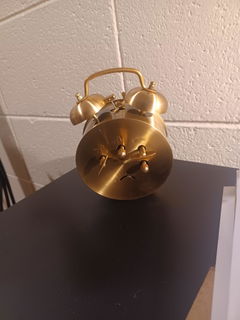
An antique wall clock used to announce itself before anyone looked up: a mechanical tick, a chime on the hour, the low creak of a pendulum swinging behind glass. That sound was the point once, proof that a household owned a serious piece of furniture and knew how to wind it. Ours keep the aged brass, the Roman numerals and the parlor detailing that made those originals worth keeping, but strip out the noise a modern room rarely wants. Nothing ticks. Nothing chimes on its own schedule while you are trying to read, work or fall asleep. That single change is why an antique wall clock now works in rooms where the real thing never could.
Start With the Rooms That Demand Quiet
Bedrooms come first for a reason: nothing in a bedroom should compete with sleep, and a ticking mechanism a few feet from a pillow used to do exactly that. A Bavarian Antique Cuckoo Clock brings the carved woodwork and hunting lodge character people want above a headboard without the hourly cuckoo call that made the original impractical anywhere near a bed. The face still reads like something pulled from a Black Forest workshop; it simply keeps that history to itself after dark.
A home office or reading nook asks for the same restraint. Concentration breaks easily, and a mechanism that clicks through every second turns a quiet room into one you notice constantly instead of one you work in. Hang a Cuckoo Clock Maisonnette above a desk or beside a bookshelf and the cottage styling reads as decor rather than as an interruption between paragraphs. This is also where the collection overlaps with clocks styled after a well worn past, since both share an appetite for age and neither one adds sound to a room built for focus.
Move to Rooms That Tolerate Some Noise
Living rooms and dining rooms can absorb more activity, conversation, footsteps, the television, so the case for silence is less urgent but still worth making. A clock that ticked audibly through dinner would have been ordinary a century ago and would grate on most households today. The "Les Deux Magots" Vintage Clock carries an aged cafe signage look that suits a dining wall already crowded with framed prints or postcards, sitting easily among busier decor without adding its own noise to the room.
Hallways and entryways are busier still, full of footsteps, closing doors and short conversations, so a clock hung there has to hold its own visually since nobody stops to listen for it anyway. A colorful cuckoo style face catches a glance from someone passing through rather than asking them to stand still, which is exactly the job a clock in a high traffic hallway needs to do.
Kitchens sit somewhere between the two extremes. There is already plenty of sound at breakfast or during dinner prep, running water, a kettle, chairs scraping the floor, so a ticking clock adds little that anyone notices anymore. What a kitchen wall does need is a face that survives steam and grease without looking worn out after a year, which is why the finishes across this collection favor sealed brass tones and painted wood over anything raw metal that could tarnish above a stove.
Ornate Detail, Modern Mechanism
Every clock in this collection borrows its face from centuries of clockmaking: aged finishes, scrollwork, Roman numerals, the kind of ornate detailing that once made a clock a household's most valuable object. None of them borrow the mechanism. Inside, a quiet quartz movement keeps time without the pendulum swing or the wind up key an actual antique would demand, so the clock reads as heirloom while behaving like anything else on the wall. That trade, an old face paired with a current mechanism, is what lets an antique wall clock hang somewhere a real nineteenth century timepiece never would have been welcome.
Finish also changes how a piece ages on the wall. Brass toned cases pick up a soft patina that suits a study or a formal dining room, while painted wood cases in muted greens or creams read as cottage rather than manor and settle well into a kitchen or a child's room. Both share the same battery driven movement underneath, so the choice between them comes down entirely to which finish matches the rest of the room, not to how loud either one will be once it is hanging.
Where This Style Sits Next to Others
Antique sits at one end of a wider range. Shoppers who want less carving and more clean geometry usually end up comparing this collection with a modern wall clock, where the same wall gets minimal shapes instead of aged brass. Others split the difference and look at a contemporary style clock, which softens the antique palette without abandoning warmth entirely. If the printed artwork itself matters more than the era it references, decorative wall clock designs often turn out to be the better fit, since that collection puts the image first and the historical styling second. Browsing the full range of wall clock styles is the fastest way to see how antique compares once ornament, era and mechanism are all lined up side by side.
Picking One for a Quiet Room First
Start with wherever silence matters most in the home, a bedroom, a study, a nursery, and work outward from there. A cuckoo case, a Roman numeral face or an aged brass frame will suit almost any room in this collection, but the room itself should decide the size and the level of carved detail. A smaller, simpler face suits a passing hallway glance; a larger, more ornate one rewards a room where people actually sit and look at the walls. Either way, the tick that once defined an antique wall clock has been left behind, so the only thing left announcing itself on the wall is the design.